
- News
- World News
- US News
- Indigenous Peoples' Day 2023: How it challenges Columbus and redefines American history
Trending
This story is from October 6, 2023
Indigenous Peoples' Day 2023: How it challenges Columbus and redefines American history
Indigenous Peoples' Day is a holiday in the United States that celebrates the history, cultures, and contributions of indigenous peoples. It originated as a counter-celebration to Columbus Day and aims to raise awareness about the injustices faced by indigenous communities. The holiday is celebrated through cultural events, discussions, recognition by cities and states, indigenous-led gatherings, and activism.
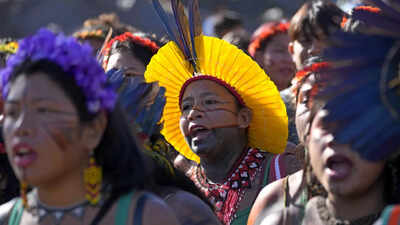
It originated as a counter-celebration to Columbus Day, providing an alternative perspective to the traditional observance of Christopher Columbus's arrival in the Americas in 1492. Indigenous Peoples' Day seeks to acknowledge the rich and diverse heritage of Native American, Alaska Native, and other indigenous communities while also raising awareness about the historical injustices and challenges they have faced.
Here are some key points about Indigenous Peoples' Day:
Origin
Significance
Indigenous Peoples' Day is significant because it offers an alternative narrative to the traditional Columbus Day, which has been criticized for glorifying a figure associated with the mistreatment and exploitation of indigenous peoples. By celebrating Indigenous Peoples' Day, communities and individuals aim to raise awareness about the rich and diverse cultures, traditions, and contributions of indigenous communities, as well as the ongoing challenges they face.
Why it is celebrated
- Acknowledge and honor the history, cultures, and contributions of indigenous peoples.
- Raise awareness about the history of colonization, forced removal, and discrimination faced by indigenous communities.
- Promote understanding and respect for indigenous cultures and traditions.
- Highlight contemporary issues and challenges affecting indigenous communities, such as land rights, environmental concerns, and social disparities.
- Cultural and educational events: Communities may organize cultural festivals, art exhibitions, storytelling sessions, and educational programs to showcase indigenous traditions, history, and art.
- Discussions and lectures: Academic institutions and community organizations often host lectures, panel discussions, and workshops on topics related to indigenous history and contemporary issues.
- Recognition and proclamations: Many cities and states officially recognize Indigenous Peoples' Day through proclamations or resolutions, affirming their commitment to honoring indigenous communities.
- Indigenous-led events: Indigenous communities themselves may organize gatherings, ceremonies, and gatherings to celebrate their heritage and share their culture with others.
- Activism and advocacy: Some use the holiday as an opportunity to advocate for indigenous rights, environmental conservation, and social justice.
End of Article
Follow Us On Social Media





Photostories

Hot Picks
Top Trending
Explore Every Corner
Across The Globe
Vaibhav SuryavanshiCanada Election Result 2025TS SSC Result 2025IPL Today MatchShaquille O NealBoard Exam Result 2025Rahul DravidJagmeet SinghMizoram Board HSLC ResultJacksonville JaguarsWWE Raw HighlightsPM ModiTerrorist Adil HomeShahid AfridiHashim MusaReal ID onlineVTuber Sinder ControversyDonald Trump Sleeping at Pope FuneralPahalgam Terror AttackTrump Taunts Taylor SwiftNBA PlayoffLockheed MartinBoomer EsiasonInfosys LayoffsElon MuskGold Rate TodayIPL Purple CapIPL Orange CapIPL Schedule 2025IPL Points Table
Hot on the Web
Health TipsJaat Box Office CollectionGround Zero Box Office CollectionBrain ExercisesEntertainment News Live UpdateAkshaya Tritiya 2025Kesari 2 Box Office CollectionLongest Beak BirdsGood Bad Ugly Box Office CollectionGiza GloryPowerful DrinksLabrador DogUsha VanceChia Seeds For Hair GrowthBaby Girl NamesOptical illusionNaniHania AamirNaga ChaitanyaRelationship TipsBrightest Coloured FrogsFoods For Better SleepLiver HealthChia SeedsRohit BasforeHealthy SnacksLove Birds PetsPsychology TipsKareena KapoorKareena Kapoor KhanBrain TrainingTipsVaibhav Suryavanshi FitnessNASA Space ImagesHimachal BirdsHania AamirRaveena TandonHidden Lakes IndiaKashmir Travel UpdateKim KardarshianGulki JoshiMumbai-Ahmedabad Bullet TrainAly Goni
Trending Topics
Illinois Daycare Car CrashAmit MishraDanish KaneriaRahul DravidShikhar DhawanKL RahulDC vs KKRIPL Orange and Purple CapCBSE Board Exam ResultsDanish KaneriaMS DhoniAIIMS NORCET 8 Admit CardKerala SSLC ResultVaibhav Suryavanshi FatherVaibhav Suryavanshi IPL JourneyLockheed MartinsMizoram Board HSLC ResultNitish KumarAkshaya TritiyaBluesky DownPM ModiGTA 6Canada Election Results 2025Wordle TodayNYT ConnectionsIntel Ceo Lip Bu TanSam AltmanNyt StrandsElon MuskUPI OutageAmazon Kuiper SatellitesBhopal Gang Rape CaseMaharajganj Bridge CollapseActor AjithDelhi Schools Heatwave GuidelinesNishikant DubeyDelhi Airport Flight DelayPahalgam Zipline OperatorBareilly Pakistani WomenCanada AAP MLA Daughter DeathPublic Holidays AprilGarena Free Fire Max Redeem Codes
Popular Categories
HeadlinesSports NewsBusiness NewsIndia NewsWorld NewsBollywood NewsHealth+ TipsIndian TV ShowsTechnologyTravelEtimesHealth & FitnessWWENFLPahalgam Terror AttackAstrologyWeather TodayIPLAnimeApril Bank HolidaysPublic Holidays in AprilIPL TeamsStock Market HolidaysNSE HolidaysBSE HolidaysMCX HolidaysTechnology NewsInternational SportsPublic HolidaysBank Holidays
Latest News
Shivangi Verma on World Dance Day; says ‘Dance is my happy space’Here’s all you need to know before betting on Ather’s ₹2,600cr IPOEurope's largest listed company Novo Nordisk shares advisory for Americans on Ozempic drug that Elon Musk captioned his Christmas photo on'Vaibhav Suryavanshi cheering for my then team': Sanjiv Goenka's latest social media post goes viralInternational Dance Day: When Salman Khan practiced dance steps a lot as he had to match Govinda during 'Partner'Nushrratt Bharuccha recalls spooky hotel encounter in Delhi; says, 'I ran to my flight in a nightdress'Bluesky down: Thousands of users report facing with the appNo, Mr Trump. The Kashmir dispute is not ‘1,500 years’ oldCan public money flow to Catholic charter school? The Supreme Court will decideBNW Developments outlines UAE growth strategy; expands presence in Ras Al Khaimah under founder CA Ankur AggarwalAlex Ovechkin signed rookie cards to make their debut in Upper Deck 2024-25 as hockey card prices moderate after Bedard boom"Skip Bayless is an idiot": Tom Brady reportedly denies accusations against him of sabotaging Shedeur Sanders' NFL futurePooja Bhatt says, 'Trust you & KK are having a great gig' as she remembers late Irrfan KhanIndia honours Osamu Suzuki with Padma Vibhushan for Maruti legacy: DetailsJayaram pays heartfelt tribute to director Shaji N. Karun, says "Still can’t believe it"Exclusive- Dilwali Dulha Le Jayegi fame Sanchita Ugale on International Dance Day says, "I'm not a trained dancer but I never struggled to perform"Mahaveer Jain & Mrighdeep Singh Lamba join hands with Imtiaz Ali for their nextAmbuja cements clocks record high PAT of 9%, annual revenue surpasses Rs 35,000 crore
Copyright © 2025 Bennett, Coleman & Co. Ltd. All rights reserved. For reprint rights: Times Syndication Service